

For years, digital advertising has used one-to-one user tracking to link ad clicks to sales. But today, it takes more than just counting clicks and views. The real challenge for performance marketers is figuring out if people are actually paying attention.
We are entering the era of the Digital Reset, where the emphasis moves away from simply reaching users to truly engaging them. As marketers adapt to the loss of third-party data, a more effective and privacy-compliant metric is emerging: Attention. This has become the new measure for efficiency and success.
Why Tracking Alone Is No Longer Enough
Conversations around digital measurement frequently centre on third-party cookies. When browsers like Chrome, Safari, and Firefox eliminated them, cross-site tracking without consent ended, resulting in major attribution challenges.
Advanced performance marketers are adopting durable, privacy-first solutions, most notably first-party cookies. This data, collected directly on your domain with user permission, is compliant and overcomes many industry challenges. We also recommend a strong first-party data strategy as the foundation of digital success.
However, even with optimal first-party data and tracking, a fundamental issue remains.
In today’s environment of ad surplus and limited attention, confirming that an ad reached a targeted audience is insufficient. Audiences are overwhelmed by messages, so the key question is whether a person actually noticed and processed the message.
If your media spend results in impressions that are quickly ignored, tracking loses value, and your budget is wasted.
Improving the Quality of the Impression
This is where valuable metrics matter; they do more than replace old tracking. They optimise advanced first-party data strategies.
Rather than simply tracking whether an ad was technically delivered to a browser, it is important to measure valuable metrics seek to determine if it was genuinely noticed by a human.
This approach shifts focus from maximising the number of impressions to prioritising those with the highest likelihood of engaging real human attention. It moves the industry from a model based on volume to one based on measurable impact and value.
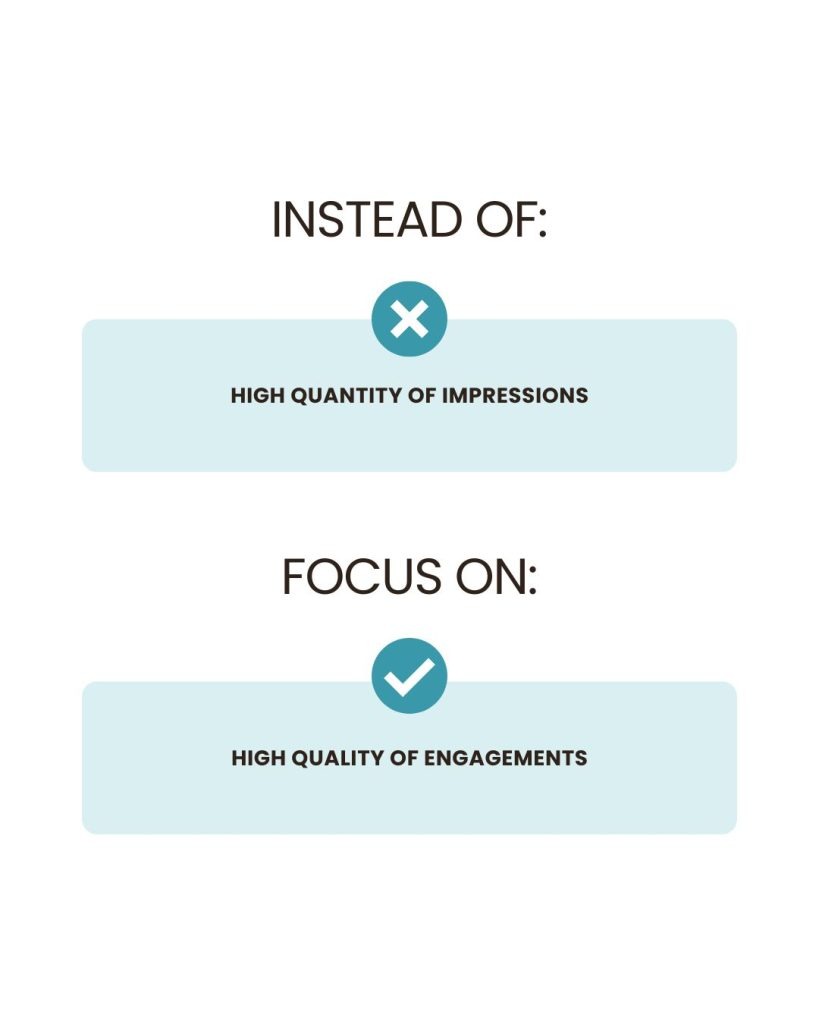
For advanced performance marketers, knowing which metric to measure deliver a distinct competitive edge. They deliver a more accurate signal, directly tied to real outcomes, going past standard viewability and surface-level engagement clicks.
How We Measure Attention
The core metric leading this revolution is time-in-view.
This goes past standard viewability. While a traditional viewability metric might indicate that 50% of your ad was visible for one second, time-in-view measures the actual, continuous duration the ad creative remained on the user’s screen. It is an objective, behaviour-based signal that reliably indicates active user focus.
What Longer Time-in-View Means for You
Research shows that the length of time an ad is actively in view strongly predicts better marketing outcomes. The longer an ad holds attention, the greater its impact in areas such as:
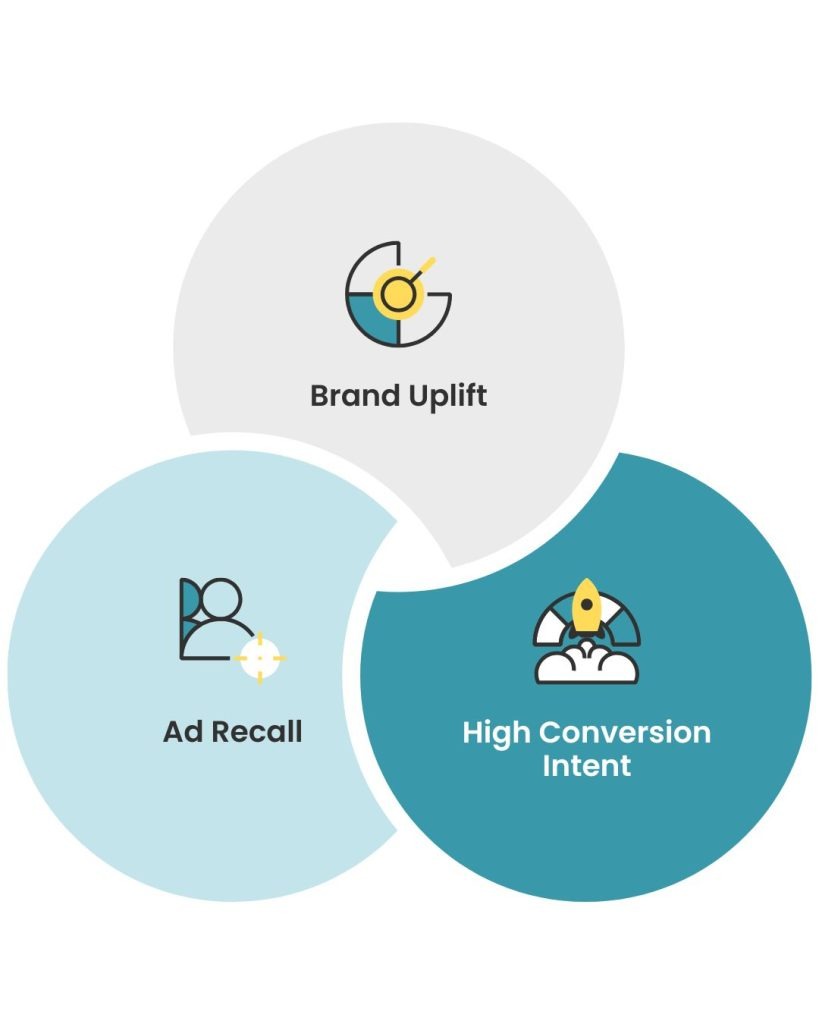
Brand Uplift
Users who spend more time with an ad are significantly more likely to remember the brand and its message.
Ad Recall
Attention is six times more effective at predicting brand recall than traditional viewability metrics.
High Conversion and Intent
Even in direct-response campaigns, focused attention ensures the creative message, call to action, and product details are absorbed, increasing the chance of conversion.
Optimising campaigns for minimum time-in-view, such as targeting impressions with at least three seconds of attention, means bidding for real engagement rather than simply placing ads. This approach prioritises impact instead of potential.
Attention as the Ultimate Optimisation Layer
For performance marketers who have already mastered first-party data collection and contextual targeting, the time-in-view metric serve as the ultimate optimisation filter.
First-party data helps you identify your target audience, while the time-in-view metrics reveal where and how to engage them most effectively.
Refining Creative
Attention data provides clear feedback on which creative elements, such as headlines, visuals, and calls to action, capture focus and which are overlooked.
Optimising Placement
It reveals which specific channels, publishers, and ad positions are genuinely conducive to attention, allowing you to reallocate budget away from high-viewability, low-attention placements toward high-value inventory.
Future-Proofing Media Buying
By focusing on engagement quality, your strategy stays strong and effective, no matter how privacy rules or browser technology change.
The goal is to stop relying on retroactive tracking, which attempts to attribute a sale to a past interaction, and instead use predictive quality metrics to ensure every dollar spent has the best chance of making an impact.
The Road Ahead: Stop Buying Impressions, Start Buying Focus
The digital reset has arrived. It is a defining moment where marketers must choose between holding onto outdated, non-compliant tracking methods or embracing the next wave of measurement.
For modern performance marketers, the future is not about substituting third-party cookies with new tracking methods. Greater accountability is needed from every impression. Time-in-view as a key metric offers a reliable, privacy-compliant, predictive measure of engagement.
Don’t let your ad budget go to waste on impressions that don’t work. By focusing on real human attention, you can get better results and use your media spend more efficiently.
Attention Metrics are the crucial piece of the puzzle for a successful, high-performance post-cookie strategy. Book a FREE strategy session with us to understand how to move beyond basic viewability and implement an attention measurement framework that drives tangible business outcomes.